Victorville highlight
California Route 66 Museum
The California Route 66 Museum opened in 1995 in the former Red Rooster Café building, focusing on the westernmost section of the historic highway.
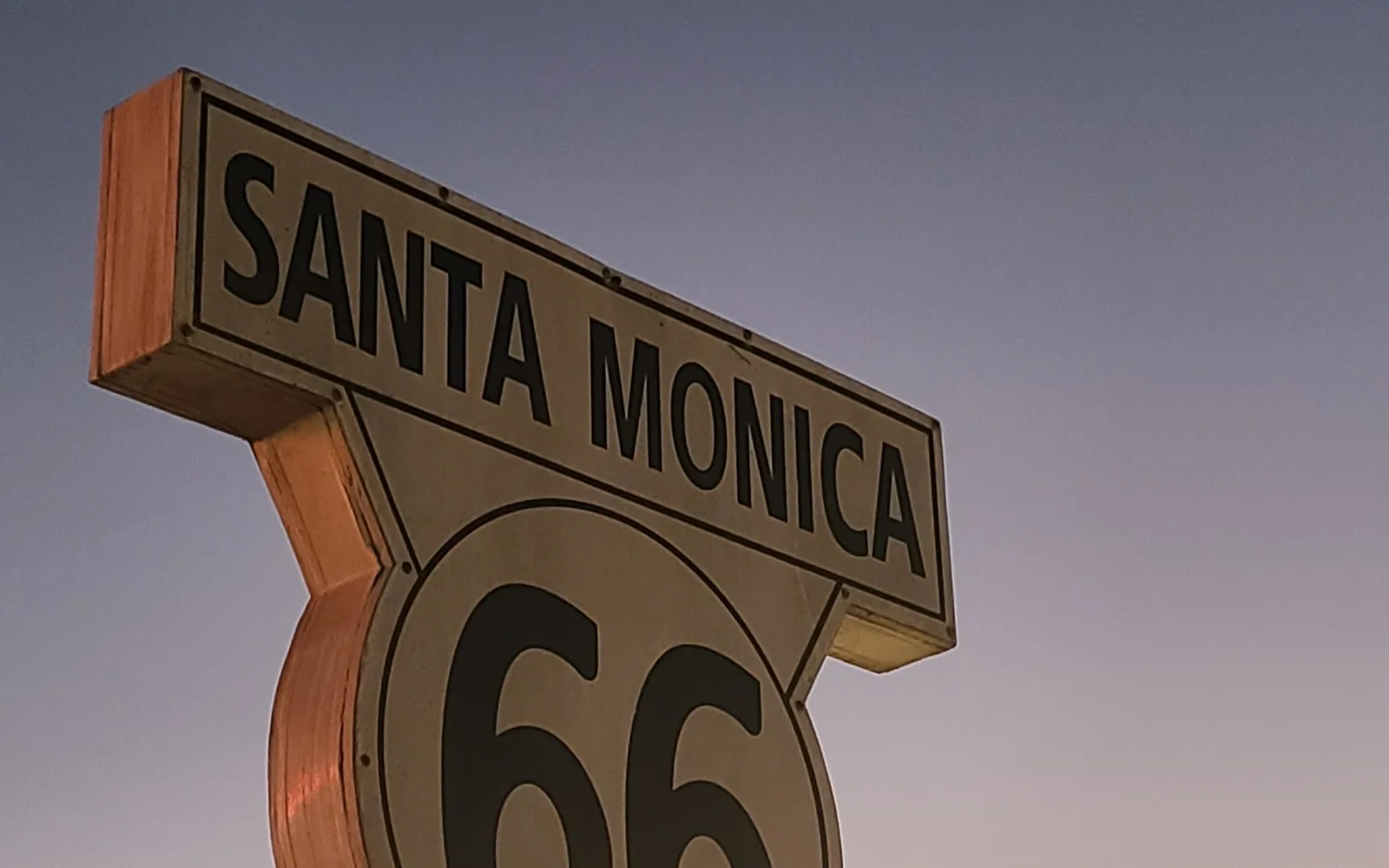
Route 66, established on November 11, 1926, became one of America's most storied highways, carrying westward migrants during the Dust Bowl of the 1930s and later defining the American road trip. The highway extended 315 miles through California, from the Arizona border through San Bernardino and Los Angeles to Santa Monica. On June 26, 1985, it was officially decommissioned and removed from the United States Highway System, superseded by the Interstate highway network. The California Route 66 Museum, located in Victorville in the former Red Rooster Café building, opened in 1995 to preserve the history of this westernmost section.
The museum stands as a physical bridge between Victorville's past and present. Visitors walk through exhibits documenting the era when Route 66 shaped settlement patterns, business locations, and family journeys across the American West. The cafe building itself carries that history—a structure that once served travelers and locals alike, now curating the memory of the road that brought them through. The museum's collection captures the economics, culture, and human stories embedded in those miles of highway, offering both residents and visitors a deeper sense of place.
The museum embodies a principle that applies to family planning just as it does to historical preservation: preparing for an uncertain future requires building on a stable foundation. A family that takes time to establish a financial plan—including term life insurance that covers the income each person contributes—is making the same commitment to continuity that the museum makes to history. It ensures that what matters is protected and passed forward.